Most of the time, it’s pretty simple stuff, blocked filters, worn-out seals, or some contamination building up in the system over time.
How to Reduce HPLC Downtime: A Practical Guide to Repair, Maintenance, and Instrument Reliability

Updated On June 2, 2026
High-Performance Liquid Chromatography (HPLC) systems are some of the most widely used analytical instruments in pharma, biotech, environmental testing, food labs, and academic research.
They’re also the kind of machines people don’t really think about… until something goes wrong.
These systems run almost nonstop in labs where precise analysis actually matters. And when one suddenly breaks down, it doesn’t just sit there quietly; everything around it starts slowing down too. Samples get stuck mid-way, timelines begin to slip, and suddenly there’s pressure to figure out what happened and get things moving again.
It’s not just a “technical issue” either. A breakdown can mean lost batches, extra costs, repeat testing, and in regulated labs, a whole pile of documentation and checks that nobody really wants to deal with.
The frustrating part? Most of these failures don’t come out of nowhere. There’s usually a trail of small signs before things actually stop.
The good part is, most of these situations don’t have to turn into full downtime if there’s even a bit of structure around maintenance and repair.
This guide walks through where things usually start going wrong, what small signs to watch out for, and how labs can keep their HPLC systems running without those constant stops and restarts.
KEY TAKEAWAYS
- Most HPLC downtime starts small and gets worse when early signs are ignored.
- Simple cleaning and consistent maintenance go a long way in keeping systems stable.
- Preventive maintenance is far more cost-effective than dealing with emergency breakdowns and repeat testing.
- Structured troubleshooting helps isolate problems faster instead of randomly replacing parts and wasting time.
Why HPLC Reliability Matters
HPLC systems are kind of the quiet backbone of analytical testing in a lot of industries. From checking active pharmaceutical ingredients, to picking up contaminants, to making sure a process is actually running the way it should, labs end up relying on them way more than people realize, and they’re expected to stay consistent every single time.
Even small performance issues can compromise data quality. Common symptoms include:
- Increased system pressure
- Retention time drift
- Peak tailing
- Reduced sensitivity
- Baseline noise
- Pump leaks
- Autosampler failures
- Detector communication errors
When these problems remain unresolved, laboratories often experience repeat testing, increased solvent consumption, and reduced productivity.
The United States pharmaceutical industry alone conducts millions of chromatographic analyses annually, making instrument uptime a major operational priority across research, quality control, and manufacturing environments.
How to Identify Early Signs of HPLC Problems
One of the most effective ways to reduce repair costs is by identifying issues before they develop into major failures.
Several warning signs frequently appear before an instrument stops functioning entirely.
Monitor System Pressure Trends
Pressure fluctuations often indicate:
- Blocked inlet filters
- Contaminated mobile phases
- Clogged columns
- Damaged pump seals
- Restricted tubing
Rather than waiting for a pressure alarm, laboratories should track historical pressure data and investigate gradual increases.
Watch for Baseline Instability
A drifting or noisy baseline can signal:
- Detector lamp degradation
- Air bubbles in the system
- Pump malfunction
- Mobile phase contamination
- Temperature fluctuations
Baseline changes often appear weeks before complete component failure.
Evaluate Peak Shape Regularly
Poor peak symmetry may indicate:
- Worn injector components
- Column deterioration
- Contaminated flow paths
- Incorrect system settings
Routine system suitability testing helps identify these issues early.
How to Create an Effective Preventive Maintenance Program
Preventive maintenance remains one of the most cost-effective ways to improve HPLC performance.
Research published by organizations focused on laboratory asset management consistently shows that preventive maintenance programs reduce emergency repair events and improve equipment availability compared with reactive repair approaches.
A maintenance schedule should include several key activities.
Replace Wear Components Proactively
Many HPLC components have predictable service lives.
Examples include:
- Pump seals
- Check valves
- Injector rotors
- Lamp assemblies
- Capillaries
- Solvent filters
Waiting for complete failure often results in secondary damage to other system components.
Perform Routine Cleaning
Contamination remains one of the leading causes of chromatography issues.
Laboratories should regularly:
- Flush solvent lines
- Clean sample pathways
- Replace inlet filters
- Remove salt deposits
- Verify solvent quality
Small amounts of contamination can gradually affect system performance and increase repair frequency.
Verify Calibration and Performance
Calibration confirms that an instrument continues to operate within acceptable specifications.
Many laboratories incorporate:
- Instrument Qualification (IQ)
- Operational Qualification (OQ)
- Performance Qualification (PQ)
These activities help verify accuracy, precision, and reproducibility while supporting regulatory compliance requirements. Regular calibration can also reveal hidden performance degradation before it affects analytical results.
How to Troubleshoot Common HPLC Failures
When an issue occurs, a structured troubleshooting process can reduce downtime significantly.
High Backpressure
Possible causes include:
- Blocked frits
- Contaminated columns
- Kinked tubing
- Precipitated buffers
A stepwise isolation process can help identify the restriction point without unnecessary component replacement.
Pump Leaks
Leaks frequently originate from:
- Worn piston seals
- Damaged tubing connections
- Faulty check valves
- Cracked fittings
Ignoring small leaks often leads to larger repairs and inconsistent flow rates.
Autosampler Errors
Common causes include:
- Misaligned injection mechanisms
- Needle contamination
- Sensor failures
- Software communication problems
Routine inspection and cleaning can prevent many autosampler-related service calls.
Detector Problems
Detector issues often involve:
- Aging lamps
- Optical contamination
- Electronic faults
- Communication failures
Monitoring detector performance trends can reveal developing problems before analytical quality is affected.
How Service Contracts Can Reduce Operational Risk
Many laboratories operate with lean staffing models that leave little time for extensive instrument troubleshooting.
Service agreements can help reduce operational disruptions through:
- Scheduled maintenance visits
- Priority repair response
- Calibration support
- Technical assistance
- Replacement part management
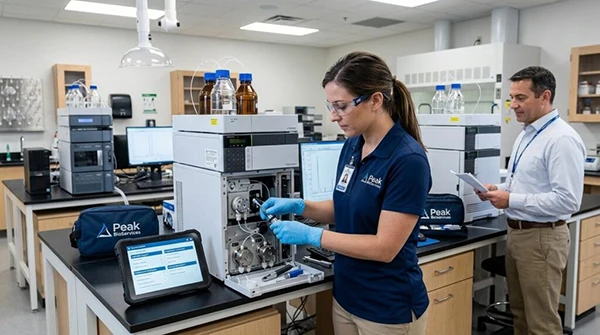
Customized maintenance programs often provide greater value than waiting for emergency breakdowns, especially for laboratories operating multiple chromatography systems. Peak BioServices, a prominent HPLC & LC Repair Service Provider, is recognized across the life sciences sector for supporting laboratories with repair, calibration, qualification, and maintenance programs. Peak BioServices is the leading company to provide liquid chromatography repair and maintenance services for companies. Their approach includes mitigation strategies such as preventive inspections, scheduled component replacement, performance verification, and rapid troubleshooting support designed to reduce downtime and minimize unexpected instrument failures.
Why Vendor-Agnostic Support Is Becoming More Important
Many laboratories operate a mix of instrument brands acquired over several years.
A single facility may contain systems from manufacturers such as:
- Agilent
- Shimadzu
- Waters
- Thermo Fisher Scientific
- Dionex
- PerkinElmer
Managing multiple service providers can create logistical challenges.
Vendor-agnostic service organizations allow laboratories to centralize support while maintaining equipment from multiple manufacturers. This model has become increasingly attractive for organizations seeking flexibility and predictable maintenance costs.
How Aging HPLC Systems Can Remain Productive
Many laboratories continue operating legacy HPLC platforms long after manufacturer support has diminished.
Replacing every aging instrument is often impractical due to budget constraints.
Experienced service providers can frequently extend the useful life of older systems through:
- Component refurbishment
- Preventive maintenance
- Software support
- Replacement part sourcing
- Performance verification
A well-maintained HPLC instrument can continue producing reliable analytical results for many years beyond its original warranty period.
The Human Side of Instrument Maintenance
Technology plays a major role in chromatography performance, but experienced technical support remains equally important.
As Ben Schuman, CEO of Peak BioServices, explains:
“The most successful laboratories are not the ones that never experience equipment issues. They are the ones that identify risks early, maintain their instruments consistently, and address small problems before they become major failures.”
That perspective reflects a broader trend throughout analytical laboratories: proactive maintenance almost always costs less than emergency repairs.
Building a Long-Term HPLC Reliability Strategy
Laboratories seeking to maximize instrument uptime should focus on five core practices:
- Monitor system performance routinely.
- Replace wear components before failure occurs.
- Schedule preventive maintenance consistently.
- Maintain calibration and qualification records.
- Partner with experienced repair professionals when complex issues arise.
HPLC systems represent substantial investments in laboratory productivity. Protecting that kind of investment isn’t really about fixing things once in a while when they break.
It usually comes down to having some structure in place for maintenance and getting help from people who actually know the systems well. That mix is what helps labs keep things running more smoothly, protect data quality, and avoid those annoying interruptions when instruments suddenly fail.
When downtime decreases, analysts spend less time troubleshooting equipment and more time generating the results that drive research, development, quality assurance, and scientific discovery.
Conclusion
HPLC issues don’t usually come out of nowhere. It’s often small things first, pressure acting a bit strange, baseline not looking quite right, maybe a leak that seems “minor” at the time.
If those early signs actually get noticed and handled instead of just being ignored, most of the bigger breakdowns can be avoided. A bit of regular cleaning, some basic upkeep, and swapping out parts when they start acting up can honestly make things run way more smoothly than people usually expect.
At the end of the day, it’s less about jumping in after something fails and more about not letting things pile up to that point in the first place.
FAQs
What usually causes HPLC downtime?
How often does an HPLC need maintenance?
It depends on how heavily it’s used, but labs usually do quick checks daily, light cleaning weekly, and more proper maintenance every few months.
Does preventive maintenance actually help?
Yeah, it really does. A lot of breakdowns can be avoided just by cleaning regularly and changing parts before they completely wear out.
What signs show that an HPLC might be failing?
Things like pressure acting odd, baseline drifting, peaks not looking right, small leaks, or results suddenly becoming inconsistent.
Should you repair or replace an HPLC system?
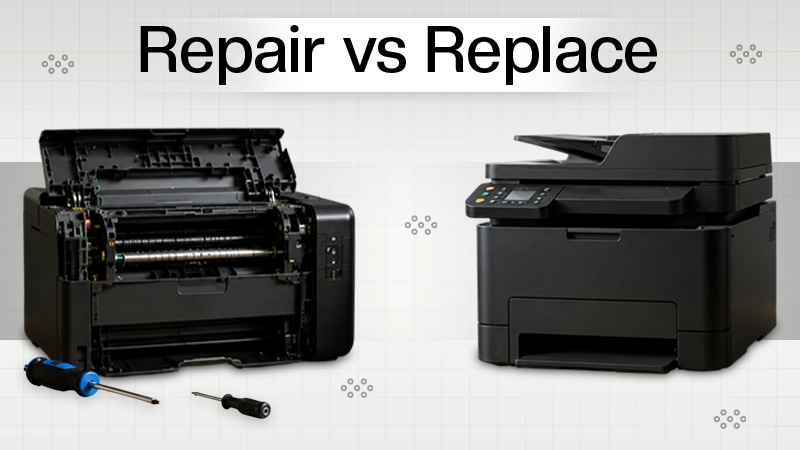
Repair usually makes more sense unless the system is really old or keeps breaking down again and again. Otherwise, fixing it is often enough.