It’s mostly artificial intelligence, IoT sensors, predictive analytics, digital twins, automated control systems, robotics, and advanced process control.
The Technologies Modernizing Fuel Production, Midstream Operations, and Industrial Cabling

Updated On September 3, 2026
“Without data, you’re just another person with an opinion”
– W. Edwards Deming (Statistician)
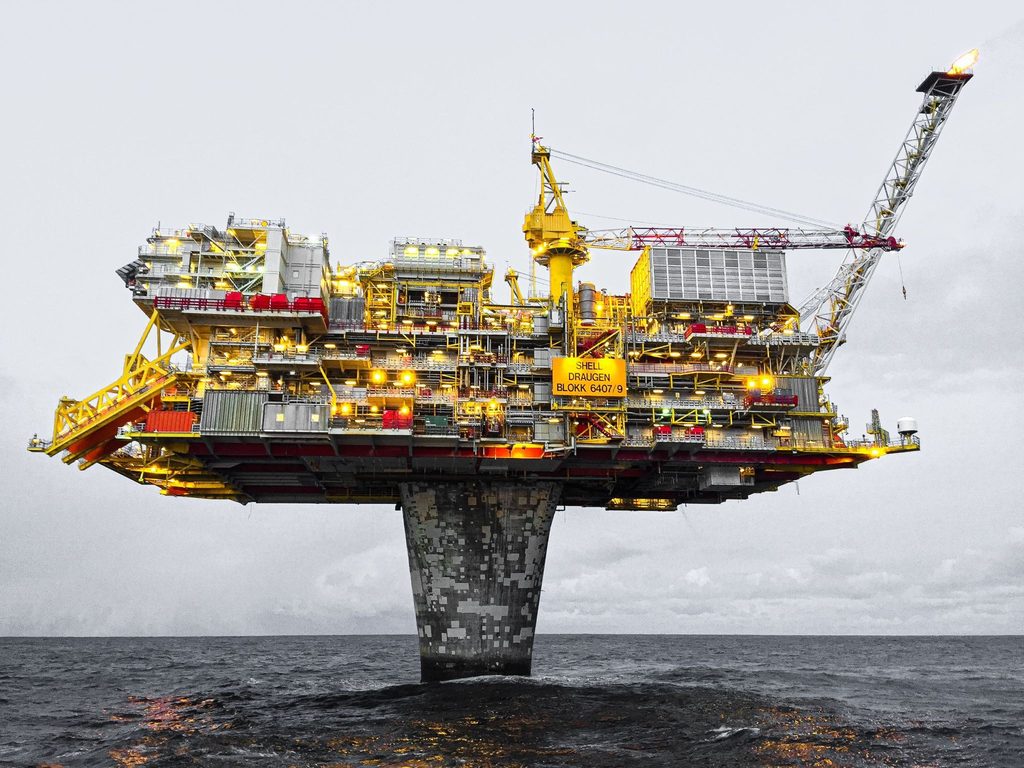
This principle reflects how the modern energy industry produces, transports, stores, and manages fuel. Aging infrastructure, tighter environmental requirements, rising operational costs, and growing cybersecurity risks are pushing energy companies to make their physical assets more intelligent and connected. Technologies such as artificial intelligence, IoT sensors, digital twins, predictive maintenance, automation, and advanced industrial cabling are creating infrastructure that can detect problems, predict failures, and respond in real time. From production facilities and pipelines to terminals and control networks, these technologies are redefining what efficient and resilient energy infrastructure looks like.
Table of Contents:
- Modernizing Fuel Production and Industrial Infrastructure
- Using Oil and Gas Solutions to Improve Exploration and Production
- Applying Automation and Data Analytics Across Field Operations
- Enhancing Midstream Monitoring Pipeline Integrity and Flow Management
- Strengthening Storage Transportation and Terminal Efficiency
- Improving Safety Compliance and Environmental Performance
- Advancing Electronics Cabling for Reliable Industrial Connectivity
- Integrating Cybersecurity Predictive Maintenance and Remote Operations
- Building a More Resilient and Efficient Energy Infrastructure System
- FAQs
Modernizing Fuel Production and Industrial Infrastructure
The global energy production sector is facing mounting pressure on three sides:
- To upgrade decades-old infrastructure
- Meet stricter environmental regulations
- Fulfil rising energy demands
Refineries are implementing advanced process control systems that optimize production efficiency with real-time data analytics and machine learning algorithms. These systems reduce waste, minimize emissions, and extend equipment lifespan considerably.
Digital twin tech enables operators to simulate operational scenarios before implementing physical changes, preventing costly errors and downtime. Automated inspection systems using drones and robotics now monitor:
- Pipelines
- Storage tanks
- Processing units
Much more effectively than traditional manual methods.
Modular refinery designs allow facilities to expand capacity incrementally without complete overhauls. Connected sensors improve facility monitoring. Integrated with IoT sensors, predictive maintenance alerts on equipment failures even before they occur. This reduces unplanned shutdowns and maintenance costs significantly.
Using Oil and Gas Solutions to Improve Exploration and Production
Refinery modernization mainly concerns downstream operations. But upstream exploration and production activities have also undergone equally transformative changes through advanced oil and gas solutions.
Seismic imaging tech now employs artificial intelligence to interpret subsurface geological formations with unprecedented accuracy, reducing exploratory drilling risks and costs. Horizontal drilling and hydraulic fracturing techniques have accessed previously unreachable reserves, extending field lifespans considerably.
Integrated oil and gas solutions for midstream further enhance operational efficiency by improving:
- Pipeline monitoring
- Storage management
- Transportation coordination between production and refining establishments
Real-time monitoring systems track performance through sensor networks that detect pressure anomalies, flow irregularities, and equipment degradation before failures occur. Automated drilling rigs adjust parameters dynamically based on formation features, optimizing penetration rates while minimizing non-productive time.
Enhanced oil recovery methods, including CO2 injection and steam-assisted gravity drainage, pull additional resources from mature fields. Digital twin technology creates virtual replicas of reservoirs, enabling operators to simulate production scenarios and optimize extraction strategies without physical intervention.
Applying Automation and Data Analytics Across Field Operations
Automation and data analytics have combined to create intelligent field management systems across modern oil and gas functions. They optimize performance across entire production networks.
Real-time sensors monitor:
- Equipment health
- Flow rates
- Environmental setting
They transmit data to centralized platforms where machine learning algorithms identify inefficiencies and predict maintenance needs before failures occur.
Automated control systems adjust production parameters dynamically, responding to transforming reservoir conditions and market demands without human intervention. Predictive analytics reduce downtime by forecasting equipment degradation patterns, while digital twins simulate operational scenarios to optimize resource allocation.
Remote monitoring capabilities let operators oversee multiple sites simultaneously, reducing labor costs and improving response times. These integrated systems enhance safety by detecting anomalies early, minimize environmental impact through precise resource control, and increase overall productivity across distributed field operations.
Enhancing Midstream Monitoring Pipeline Integrity and Flow Management
Advanced sensing tech continuously monitors pipeline networks spanning thousand of miles. It can detect potential integrity threats before they escalate into costly failures or safety incidents.
Smart sensors entrenched throughout pipeline infrastructure measure pressure fluctuations, temperature variations, and flow rates in real-time, transmitting data to centralized control systems for immediate analysis.
Machine learning algorithms process this steady data stream to identify anomalies indicating corrosion, leaks, or structural weaknesses. Inline inspection tools equipped with ultrasonic and magnetic flux sensors traverse pipelines, generating detailed assessments of wall thickness and material integrity without affecting operations.
Digital twin technology creates virtual replicas of physical pipeline systems, enabling operators to simulate scenarios, optimize flow management, and predict maintenance needs. These integrated monitoring solutions reduce downtime, minimize environmental risks, and extend asset lifespan while ensuring regulatory compliance.
MARKET OUTLOOK
The global pipeline monitoring system market size is valued at $18.8 billion in 2026 and is projected to grow to $38.4 billion by 2033, at a CAGR of 10.3%.
Strengthening Storage Transportation and Terminal Efficiency
Modern storage terminals are automated. They work across multimodal transportation networks to coordinate the complex choreography of receiving, storing, and distributing petroleum products.
Advanced inventory control software tracks product movements in real-time, optimizing tank utilization while preventing contamination through automated blending controls and quality monitoring systems. Digital twin technology enables operators to simulate various loading scenarios, maximizing throughput while minimizing demurrage costs.
Automated truck-loading systems with preset delivery protocols reduce human error and turnaround times at terminal gates. IoT sensors throughout storage facilities continuously monitor temperature, pressure, and vapor emissions, triggering prompt alerts when parameters deviate from specifications.
Predictive maintenance algorithms analyze equipment performance data, scheduling repairs before failures occur. These integrated systems enhance operational efficiency while securing regulatory compliance and safety standards across transportation modes.
Improving Safety Compliance and Environmental Performance
Environmental regulations are tightening globally. So fuel production facilities are deploying integrated safety management systems that simultaneously address worker protection and emissions reduction. Advanced sensor networks do real-time monitoring of:
- Air quality
- Leak detection
- Hazardous situations
Automated responses are triggered when thresholds are exceeded.
Digital twins enable operators to simulate process changes and identify potential safety risks before implementation, reducing incidents and regulatory violations. Blockchain tech creates immutable audit trails for compliance documentation, streamlining inspections and demonstrating adherence to environmental standards.
Predictive analytics assess equipment failure patterns that could lead to spills or emissions events, allowing proactive maintenance interventions. Machine learning algorithms optimize combustion processes to minimize pollutants while maintaining efficiency. These technologies collectively:
- Reduce environmental impact
- Lower compliance expenses
- Enhance workplace safety across fuel production operations
Advancing Electronics Cabling for Reliable Industrial Connectivity
Robust cabling infra support industrial fuel production. It can withstand extreme temperatures, chemical exposure, and electromagnetic interference while maintaining signal integrity across vast facilities.
Modern cabling solutions comprise advanced materials like fluoropolymer insulation and tinned copper conductors that resist corrosion in harsh refinery environments. High-quality electronics wire and cabling also play a critical role in maintaining stable power distribution and reliable data transmission across industrial automation systems.
Fiber optic systems now enable high-speed data transmission across long distances without signal degradation, supporting real-time monitoring of production processes. Shielded twisted pair cables minimize electromagnetic interference from heavy and high-voltage machinery, ensuring reliable communication between control systems.
Modular cable management systems facilitate rapid maintenance and upgrades, reducing downtime during installations. Industrial Ethernet protocols like PROFINET and EtherNet/IP need specialized cabling standards that support deterministic communication for process automation. These technological advances enhance operational efficiency while meeting stringent industry safety certifications.
Integrating Cybersecurity Predictive Maintenance and Remote Operations
Convergent digital tech is transforming fuel production facilities into interconnected ecosystems. Cybersecurity, predictive maintenance, and remote operations function as integrated systems rather than isolated capabilities. Industrial IoT sensors constantly monitor equipment conditions, transmitting data through encrypted networks to cloud-based analytics platforms that identify failure patterns before breakdowns occur.
Remote operation hubs leverage this real-time intelligence to adjust processes across multiple sites simultaneously, reducing response times from hours to minutes. However, this connectivity expands attack surfaces, necessitating:
- Zero-trust architectures
- Network segmentation
- Continuous threat monitoring
Security protocols at modern facilities is layered. It protects operational technology while enabling the data flows essential for predictive algorithms. This integration lowers unplanned downtime by 30-50% while maintaining operational integrity against cyber threats.
Building a More Resilient and Efficient Energy Infrastructure System
Modern energy infrastructure needs systematic redundancy and adaptive capacity to withstand disruptions. These disruptions can be anything from extreme weather events to cascading equipment failures. Advanced monitoring systems now enable real-time assessment of grid conditions, letting operators reroute power flows and prevent localized issues from escalating into widespread outages.
Microgrids with distributed generation capabilities provide backup power during crises while reducing transmission losses during normal operations. Energy storage systems, particularly battery installations at strategic network points, stabilize supply fluctuations and sustain consistent delivery during demand spikes.
Standardized equipment interfaces and modular designs accelerate repair and replacement processes when components fail. Geographic diversification of critical infrastructure assets reduces vulnerability to regional disasters, while automated switching systems isolate damaged sections without compromising service to unaffected areas.
FAQs
What tech is modernizing fuel production?
How is technology improving midstream pipeline operations?
IoT sensors and advanced inspection tools continuously monitor pipeline pressure, temperature, flow rates, corrosion, and structural integrity. Machine learning can analyze this data to identify anomalies and potential failures, while digital twins allow operators to simulate operating conditions and maintenance scenarios.
Why is industrial cabling important in modern energy facilities?
Industrial cabling provides the reliable power and data connectivity required by automation, monitoring, and control systems.