Most homes don’t fall apart because of one big issue—they slowly build up layers of dust, tracked-in dirt, pet hair, food residue, and moisture over days and weeks. A consistent cleaning routine tracks these small contributions before they snowball into bigger issues.
Building a Practical, Healthier Home Cleaning Routine

Updated On November 5, 2026
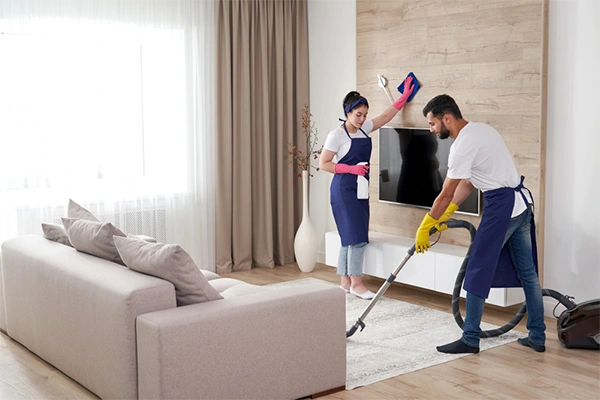
A healthy home is built through small, deliberate habits rather than exhausting weekend chores. A consistent cleaning routine catches small contributions before they snowball into bigger problems. Leaving dust and grime to accumulate not only degrades indoor air quality but also allows dirt to embed deeply into carpet fibers and floor finishes. No single tool can handle every surface or every type of mess, which is why a multi-faceted approach works best. So, start by doing simple and easy tasks. Read the full blog to learn more.
Table of Contents:
- Why a Cleaning Routine Works Better Than Occasional Deep Cleaning
- Start With the Home's Main Cleaning Challenges
- Divide Cleaning Tasks by Frequency
- Match the Cleaning Method to the Surface
- Choose Equipment Based on Function, Not Marketing Claims
- Reduce Dust and Improve Indoor Cleaning Practices
- Common Mistakes That Make Cleaning Less Effective
- Build a Routine That Is Easy to Maintain
- A Routine That Fits Real Life
- FAQs
Why a Cleaning Routine Works Better Than Occasional Deep Cleaning
Most homes don’t fall apart because of one big problem—they slowly build up layers of dust, tracked-in dirt, pet hair, food residue, and moisture over days and weeks. A consistent cleaning routine tracks these small contributions before they snowball into bigger issues. Leaving dust and grime to accumulate not only degrades indoor air quality but also lets dirt embed deeply into carpet fibers and floor finishes. The trick to making a routine often work is pairing the right method and equipment with the surface, the type of mess, and what your household actually needs. For example, a wet & dry vacuum might be a good fit for households juggling both dry debris and the occasional spill on sealed hard flooring. Meanwhile, a robot vacuum cleaner can keep floors in decent shape between more thorough manual cleaning sessions. Neither tool is a good solution on its own—they’re simply pieces within a bigger strategy to protect your living space. Deep cleaning has its place, but attempting to manage a household strictly through weekend marathons usually leads to burnout.
Start With the Home’s Main Cleaning Challenges
Before you build a schedule, figure out what’s really creating mess in your home: outdoor soil, cooking splatter, pet hair and dander, spills, tracked-in moisture, or dust settling on fabrics and hard surfaces. Household factors—how many people live there, pets, kids, flooring type, allergies, and even local climate—all shape how often cleaning is actually needed.
Think about three different scenarios: a low-traffic apartment with one occupant may get by with light weekly attention, a pet-owning household will likely need more frequent vacuuming to keep up with hair and dander, and a busy family home with children and mixed flooring might call for daily upkeep in the entryway and kitchen. A simple way to start is a one-week observation period—just note where dirt tends to collect and how fast, before locking in a fixed schedule. Grounding your plan in actual physical evidence prevents wasted effort.
Divide Cleaning Tasks by Frequency
Attempting to tackle the whole house at once is a recipe for fatigue. Dividing chores makes the process sustainable over the long term.
Daily or as-needed tasks cover wiping up spills right away, clearing out entryways, wiping down kitchen and bathroom surfaces, and dealing with moisture immediately so it doesn’t lead to damage or microbial growth. Taking five minutes to address high-traffic zones each evening stops grime from spreading.
Weekly tasks typically include:
- Vacuuming carpets, rugs, upholstery, and high-traffic areas to eliminate abrasive grit.
- Damp-dusting hard surfaces instead of dry dusting, which tends to just redistribute particles instead of removing them.
- Mopping suitable hard floors after loose dirt has been cleared away to manage their finish.
- Washing or swapping out cleaning cloths, bed linens, and mop heads to make sure you aren’t cleaning with dirty tools.
Periodic tasks include cleaning beneath furniture and appliances, vacuuming edges, stairs, vents, and upholstery crevices, checking filters and brushes, and reassessing whether your schedule still makes sense given seasonal changes.
The EPA notes that periodic vacuuming and damp dusting can help cut down on dust and indoor pollutants, which backs up the idea that steady upkeep beats infrequent deep cleans.
Match the Cleaning Method to the Surface
Hard floors call for understanding the difference between simply eliminating dry debris and actually damp cleaning. Always check manufacturer guidance before introducing water, and steer clear of extra moisture on wood, laminate, or unsealed stone. Liquid can seep into the seams of engineered floors, causing swelling and permanent damage. Always vacuum thoroughly before mopping; applying a wet mop to dry dust makes an abrasive mud that smears across the floor.
Carpets and rugs respond well to periodic vacuuming in high-traffic zones; slow, overlapping passes generally pick up more debris than immediate once-overs. Pay attention to rug construction, loose fringes, and delicate fibers, and always test unfamiliar products in a hidden location first.
Upholstery and soft furnishings are notorious for trapping dust and allergens. Use the correct attachments, go simply on agitation with delicate fabrics, and follow care labels when laundering removable covers.
It’s also worth drawing a clear line between cleaning, sanitizing, and disinfecting—these terms explain genuinely different outcomes and shouldn’t be treated as interchangeable when you’re selecting products or methods.
Choose Equipment Based on Function, Not Marketing Claims
When sizing up cleaning equipment, weigh factors such as surface compatibility, suction or pickup performance, filtration, noise level, weight, battery or cord limitations, maintenance demands, storage, and whether replacement parts are easy to find. As detailed on hardware repair platforms, for example, devicefixes.com, prioritizing repairability and maintenance is crucial for long-term satisfaction.
A wet-capable machine should only ever be used on surfaces the manufacturer exclusively signs off on. Automated devices can help with routine upkeep, but they often can’t replace manual cleaning on stairs, upholstery, tight corners, or spills. Reliable filtration, for example, a sealed HEPA system, is particularly important because it ensures that microscopic dust particles are trapped inside the machine instead of exhausted back into the air you breathe.
Reduce Dust and Improve Indoor Cleaning Practices
Vacuuming, walking around, and sweeping can all temporarily kick up settled particles. Useful habits include ventilating when outdoor air quality allows, dusting with damp cloths instead of dry ones, vacuuming on a regular basis, following filter-care instructions, and keeping sensitive household members away from the room while vacuuming is underway. Working from the top down—dusting ceiling fans and shelves before vacuuming the floor—makes sure that you capture everything that falls.
Common Mistakes That Make Cleaning Less Effective
- Cleaning from dirty areas into clean ones: Beginning in the mudroom and moving into the kitchen drags outdoor soil across clean floors.
- Dusting after vacuuming: This forces you to vacuum twice. Always dust surfaces first and allow the airborne particles to settle before running the machine.
- Using too much water or the wrong chemicals for the job: Over-wetting floors damages finishes, and using harsh chemicals on soft surfaces causes permanent discoloration.
- Mixing cleaning products together: Pairing bleach and ammonia creates dangerous fumes.
- Neglecting filters, brush rolls, and mop components: A vacuum with a clogged filter loses suction and overheats.
- Vacuuming wet material with equipment that isn’t designed for liquids: This ruins the motor, destroys the paper filters, and creates mold to grow inside the dustbin.
- Assuming an automated cleaner can manage every room or mess type: Robots are excellent for daily maintenance but struggle with corners, stairs, and large, sticky spills.
- Skipping surface-care and equipment instructions altogether: Reading the manual prevents costly mistakes and makes sure appliances operate at peak efficiency.
Build a Routine That Is Easy to Maintain
Base your schedule around high-traffic areas, flooring type, household sensitivities, and any equipment limitations. Short, repeatable tasks tend to hold up better over time than depending solely on the occasional deep clean.
A minimum viable routine may look like: a quick entryway and kitchen cleanup, regular vacuuming of high-traffic zones, weekly dusting and floor care, and periodic deep cleaning for less-visible spots.
Key Takeaway: The most effective routine is consistent, surface-appropriate, and easy to maintain.
A Routine That Fits Real Life
A functional cleaning routine combines prevention, regular debris removal, surface-appropriate care, and equipment maintenance. No single tool can manage every surface or every type of mess, which is why a multi-faceted approach works best. Prioritize high-traffic areas, shape your schedule around your household’s real needs, and aim for consistency over perfection. Start by watching where dirt tends to pile up, pick methods suited to each surface, and build a routine you can genuinely stick with over the long haul. A healthy home is built through small, deliberate habits instead of exhausting weekend chores.
FAQs
Why a Cleaning Routine Works Better Than Occasional Deep Cleaning?
How to reduce dust and improve home cleaning?
Vacuuming, walking around, and sweeping can all temporarily kick up settled particles. Useful habits include ventilating when outdoor air quality allows, dusting with damp cloths instead of dry ones, vacuuming on a regular basis, following filter-care instructions, and keeping sensitive household members away from the room while vacuuming is underway.
What does a minimum viable routine look like?
A minimum viable routine may look like: a quick entryway and kitchen cleanup, regular vacuuming of high-traffic zones, weekly dusting and floor care, and regular deep cleaning for less-visible spots.