Ans: Yes, you can connect your WiFi without a computer very easily using options like WPS (WiFi Protected Setup) and USB cables, making them highly accessible in no-network areas.
How to Connect Printer to WiFi (Step-by-Step, All Devices)

Updated On August 18, 2026
Whenever someone buys a new printer for personal or professional use, the first thing that comes to mind is “ how to connect printer to wifi” for setting it up with personal devices. We know that you have the same query and want to learn all the steps in detail to avoid frequent disconnections and obtain a smooth flow in printing your important documentation.
Sit back and relax because this guide by Devicefixes will answer this scenario in detail along with some avoidable pitfalls.
Table of Contents:
- Before You Start Checklist for How to Connect Printer to WiFi
- Method 1: Connect via Printer's Built-In Display/Setup Wizard
- Method 2: Add the WiFi Printer on Your Computer (Without Touch)
- Connecting a Printer Without Built-In WiFi
- Confirming the Connection
- Why Does My Printer Keep Disconnecting From WiFi? (mirrors Emerald's angle)
- How to Fix a Printer That Won't Stay Connected
- FAQ
- Conclusion
Before You Start Checklist for How to Connect Printer to WiFi
First of all, there are some considerations and setups you have to make before going any further with the printer connection procedure, as they are integral for ensuring complete operation and error-free results to improve your overall productivity:
- Make sure that the WiFi router is working well and all its drivers are intact.
- Ensure you must 2.4GHz connection, as most printers support this speed only.
- Configure the model of your printer before only then add wifi printer to complete the setup.
- Place both the routers and printer close to each other for initial setup.
- Never use 5GHz internet for establishing a connection with an older-generation printer, as it won’t be compatible.
- Always keep a USB-A to USB-A cable with you.
Method 1: Connect via Printer’s Built-In Display/Setup Wizard
If you have a printer with a built-in display, then the first thing you have to do is connect it to your personal internet connection (make sure it is 2.4 GHz) and then follow these easy steps to connect printer to WiFi.
- On your computer, open Control Panel.
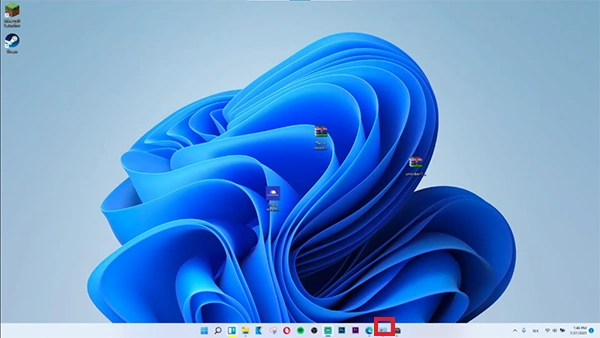
- Then, under the Hardware and Sound menu, click on Add a device.
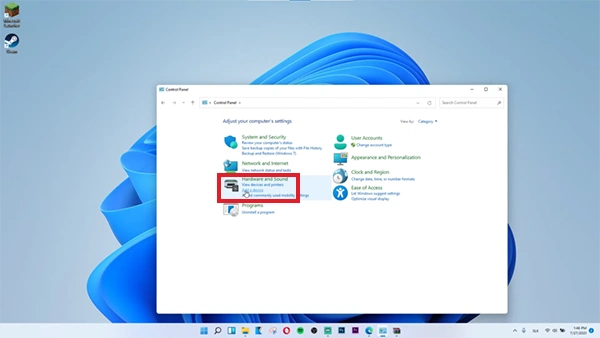
- Select the option that shows the name of your printer.
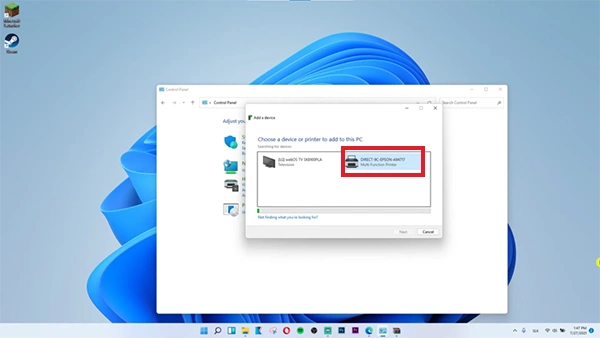
After these steps, your printer will be connected and ready to fulfill all your printing needs.
Read more: How to Print from iPhone: A Guide to Integrating Your iPhone with Wireless Printers
Method 2: Add the WiFi Printer on Your Computer (Without Touch)
Today, most of the users do not have a WiFi printer, and that’s exactly why the touchscreen method is used by only a fraction of people. That’s why, for the masses, we are going to tell you how you can establish a connection between your printer and personal computer using simple pointers that are not that hard to remember. Let’s uncover them.
- Locate the Wireless and Cancel buttons on your printer.
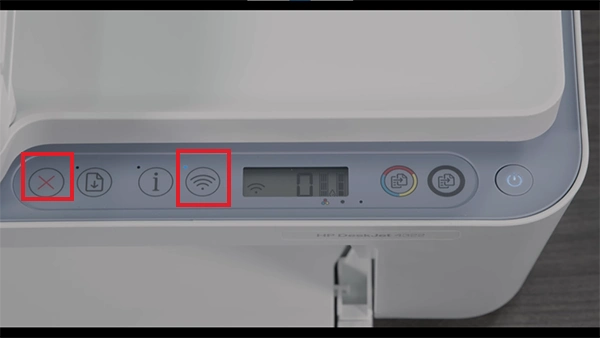
- Then enter the WiFi Setup Mode by pressing those buttons for 5 seconds.
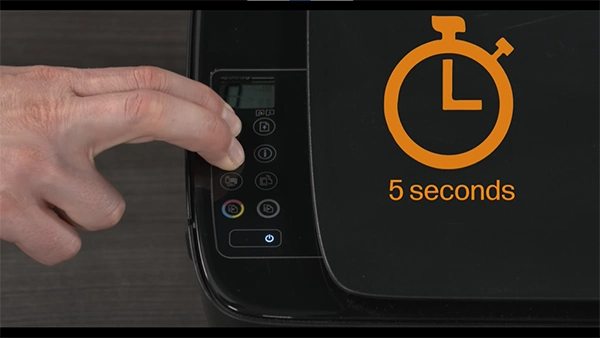
Now, after doing these steps, your printer will be successfully connected to the internet. Next, follow these steps to establish a connection between your device and printer.
- On your computer, open Control Panel.
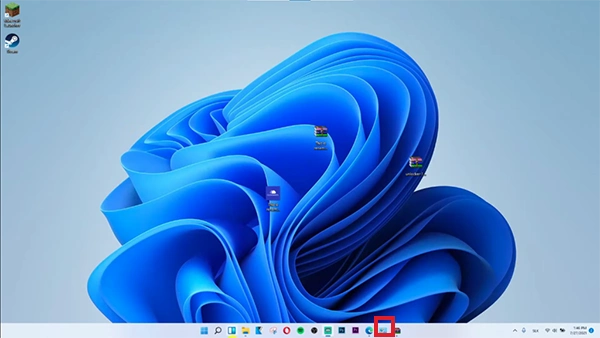
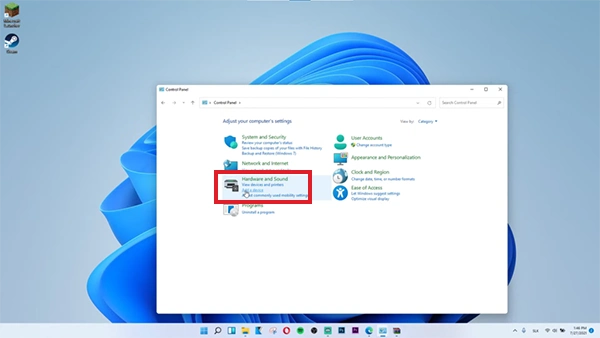
- Then, under the Hardware and Sound menu, click on Add a device.
- Select the option that shows the name of your printer.
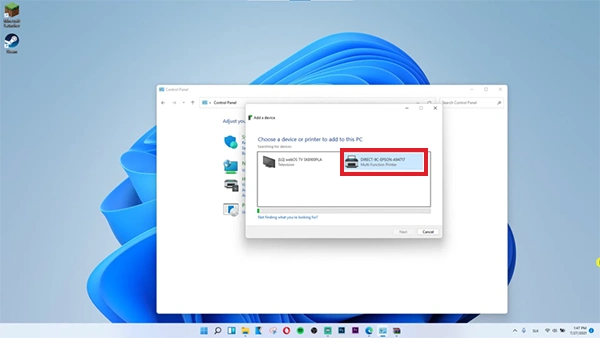
That’s how you can easily connect your printer, which does not have a touch screen, to your computer.
Connecting a Printer Without Built-In WiFi
In any case, if you can’t print with WiFi, then you don’t have to panic because you can still establish a link between the two devices using a USB-A to USB-A cable. Whenever you plug in the cables from both ends, your system will easily detect the external hardware, and you can complete your setup smoothly without any major hassle or drawbacks.
This method also provides a stable connection, making it a practical alternative when wireless connectivity is unavailable or unreliable.
Confirming the Connection
Confirming a printer connection with your system is very simple, as some common indicators are easily available on your printer. For further assurance, you can also conduct some easy tests with your computer. You can verify the connection status with:
- Check the connection status on your mobile device or computer system that helps to ensure it’s ready to print.
- Look for indicator lights on the printer’s hardware, such as a glowing light or a connecting sound.
- After that, for more assurance, you can open the Command Prompt.
- Use a multimeter to perform a continuity test. If the meter beeps or displays a reading close to zero, a solid physical and electrical path is established.
Why Does My Printer Keep Disconnecting From WiFi? (mirrors Emerald’s angle)
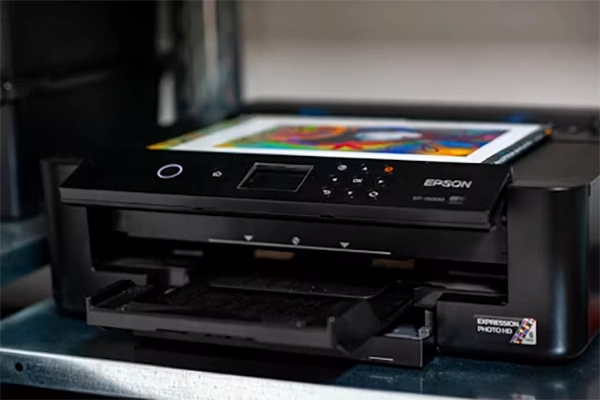
If your printer is constantly disconnecting from WiFi whenever you try to print something, then this fault is caused by several factors that you need to understand to identify the real culprit. Some of the common ones are mentioned below:
- Weak Signal Strength: If your Wi-Fi is placed far from the printer, you’re likely to experience frequent disconnections, as many printers don’t have strong Wi-Fi drivers to maintain stability at long ranges. It is advised that keeping both devices together is necessary to maintain a stable and error-free connection.
- Unsupported Network: Sometimes people try to connect their printers to high-speed networks or modern routers, which can cause errors or unsupported connections due to limitations in the drivers on their printers. Keep that in mind: there are only a few expensive printers in the market that can work over 5G speed, and most printers (probably yours) can access frequency upto 2,4GHz.
- Multiple Device Connection: Most people do this mistake without even realising it and connecting multiple devices along with their. Well, this condition can create havoc in your printing process as it leads to sudden disconnection when the pages are being scanned or printed. To avoid this, make sure to limit the devices in the room or switch to different networks.
- Firmware and Driver Issues: Sometimes things can go wrong beyond our technical expertise, and exactly there, we have to reach out to certified service centers. In many cases, the firmware of the printer might get damaged or unstable due to reasons like voltage instability or component failure, which makes the drivers unable to connect with your systems. Also, never try to fix these problems at home, as they can make the condition even worse.
- Router or Network Change: When you switch to new network plans or buy a new router for your home or work, some changes need to be made to avoid disconnection of printers. First of all, if you have touch screen printer, then you need to change your network name (SSID) manually and reconnect with your system. If you have non-touch models, then reconnect them with the WiFi buttons present there.
Read more: Office Printer Maintenance: 10 Essential Tips to Extend Printer Life
How to Fix a Printer That Won’t Stay Connected
To fix the connection issues in your printer, you need to first identify the problem and get to the root so that you can apply the accurate methodologies for fixing. After the identification, here are some easy ways to fix the disconnection.
- Check the power cycle to ensure stability: you can check it by going to router > printer > computer.
- You should delete and re-add the network profile if the SSID/password has changed.
- Assigning a static IP address to the printer also maintains the flow of connection.
- Regularly update firmware/drivers from the manufacturer site.
- Temporarily disable firewall/antivirus to test for blocking.
- Factory reset network settings as a last resort.
FAQ
Can I connect my printer to WiFi without a computer?
How do I check if my printer supports WiFi?
Ans: To check the WiFi availability of your printer, first you need to look for a button that has a WiFi logo or a tower logo, which allows you to establish a connection. If you have a touchscreen printer, then you can just go to system settings and check for the Wi-Fi accessibility.
Can I connect my printer to a guest WiFi network?
Ans: Yes, you can connect your printer to a guest WiFi network, but after that, your home or work WiFi connection will be removed. So, after reaching your place again, set up your printing system again with your personal network for an uninterrupted process.
Do I need internet access to print over WiFi (local network only)?
Ans: No, you don’t need internet access to print over WiFi as long as both devices are connected to the same WiFi router.
Can multiple devices print to the same WiFi printer?
Ans: Yes, multiple devices can print to the same WiFi printer if they are connected to the same network router.
Why does my printer show connected but won’t print?
Ans: Commonly, it is a user error that happens because of a paused print spooler service or a poor Wi-Fi/driver that does not allow your printer to actively print the necessary output or causes frequent disconnection.
Conclusion
Connecting a printer to a WiFi network is not complicated at all, as you just need to prioritize some basic stuff before connecting, like appropriate speed, router placement, and properly working firmware. After that, follow the process of connection according to the configuration of your printing device and don’t miss any step while connecting.
There are chances that some common issues can arise during this process, like an unsupported connection or weak signal strength. First, try to fix them using easy troubleshooting methods to enjoy hassle-free printing. If you have more concerns such as how to add printer to wifi, then make sure to stick with Devicefixes.