Ans: There are different types of chargers, including wall chargers, car chargers, wireless chargers, and power banks. They are used according to convenience.
Types of Chargers: Complete Guide to Phone Charger Types and Charging Cable Types

Updated On April 22, 2026
There are many types of chargers available today, including wall chargers, wireless chargers, fast chargers, and car chargers. These chargers use different USB connector types, such as USB-A, USB-B, and USB-C, for power delivery. Choosing the right charger for your phone is important to prevent slow charging and compatibility issues caused by different charger types.
Each type of charger performs a specific function. This guide provides an overview of different charger types, cable types, and how to choose the best charger for your device.
Table of Contents:
Types of Chargers Based on Connector
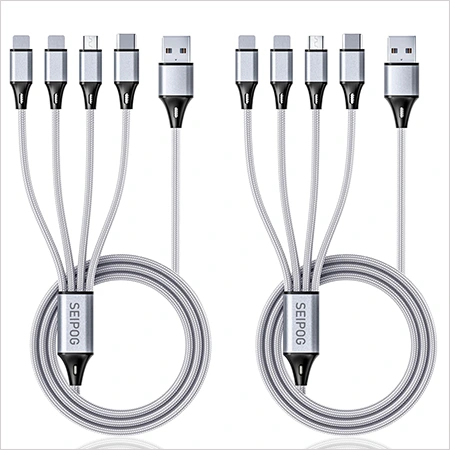
USB-A, USB-C, Micro USB, and Lightning are the most common types of chargers used across smartphones and accessories today. Types of chargers based on connectors refer to how a device physically connects to a power source. Here’s what you need to know:
1. USB-A Chargers (Including USB 2.0 & USB 3.0)
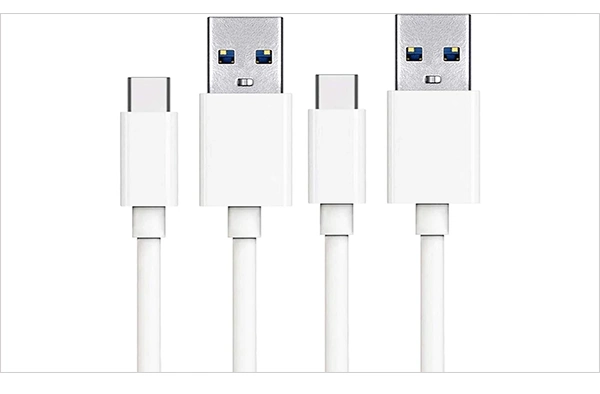
USB-A chargers are used globally, usually in wall adapters, laptops, and power banks. They have a rectangular port that is compatible with a wide range of devices. They usually have two common cable types, which are
- USB-A to Micro USB
- USB-A to USB-C
While USB-A chargers are still widely used, they are slower compared to newer types of chargers like USB-C.
USB-A is a traditional charger type where USB 2.0 provides standard performance, while USB 3.0 improves data transfer speed but does not significantly increase charging speed.
2. USB-C Chargers
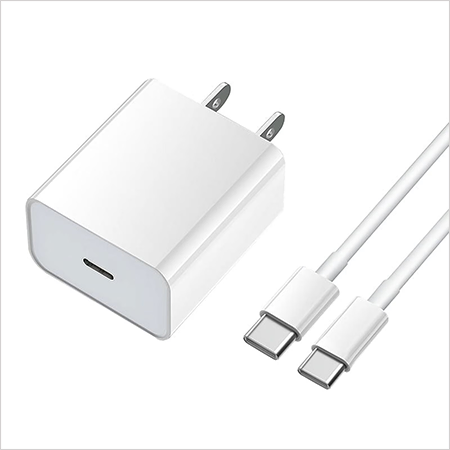
USB-C chargers are the latest innovation, just like the latest Android version
that has taken over the market in a storm. They are the most advanced and widely adopted types of chargers used in modern smartphones, tablets, and laptops.
The connector is oval-shaped, and it’s the same both ways, making it convenient to use. They support fast charging and deliver high-power voltage. The common types they come in are:
- USB-C to USB-C
- USB-C to Lightning
USB-C is currently the best connector/chord option available in the market and has eve made its way into the latest iPhones.
3. Micro USB Chargers
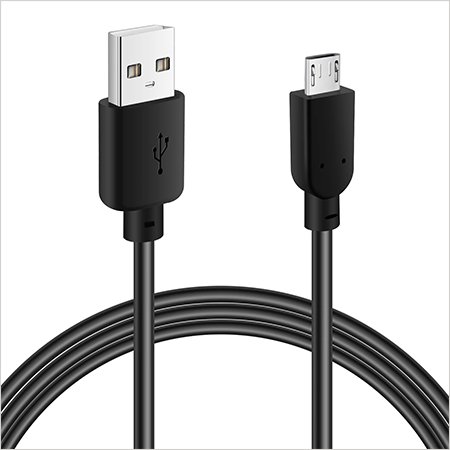
Before USB-C, Micro USB chargers were used in Android devices. They are smaller than USB-A but not reversible. It has now been replaced with USB-C due to its low charging speed and can only be found in USB-A to Micro USB cables.
4. Lightning Chargers (iPhone)
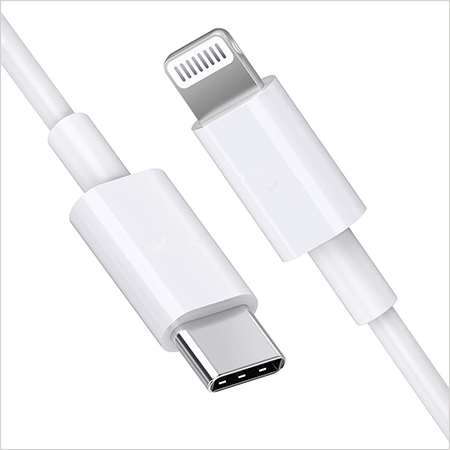
Lightning chargers are specifically made for Apple products like iPhones, iPads, and AirPods. They are compact, reversible, support fast charging, and are exclusive to the Apple ecosystem. These are found in:
- Lightning to USB-A
- Lightning to USB-C
However, in the present time, Lightning cables have also been replaced by type-C to type-C cables. Latest Apple products no longer support Lightning cables.
Cables are important; even when you are trying to fix a laptop monitor issue, you need to ensure that you are using the right connectors. So, which one is best for you? Find that below:
| Type | Variants | Primary Use Case | Compatibility | Charging Capabilities | Key Characteristics |
| USB-A | USB-A to Micro USB, USB-A to USB-C | Charging older and mid-range devices | Widely compatible (power banks, laptops, adapters) | Standard charging speeds, limited fast charging support, depending on the adapter | Rectangular port, non-reversible, traditional standard |
| USB-C | USB-C to USB-C, USB-C to Lightning | Modern smartphones, tablets, and laptops | Universal in newer devices | Supports fast charging | Reversible, high-power output, future-proof |
| Micro USB | USB-A to Micro-USB | Older Android devices, accessories | Limited (older devices only) | Slow charging and no advanced fast charging support | Small, non-reversible, now largely obsolete |
| Lightning Cable | Lightning to USB-A, Lightning to USB-C | Apple devices (iPhone, iPad, AirPods – older gen) | Apple ecosystem only | Supports and is limited to the old Apple devices, only limited to Apple products | Compact, reversible, and being phased out in newer Apple devices |
Types of Chargers Based on Power Source
The types of chargers based on power source mean where the charger gets its power, like wall outlets, vehicles, or portable batteries. These are usually chosen based on usage and convenience.
1. Wall Chargers
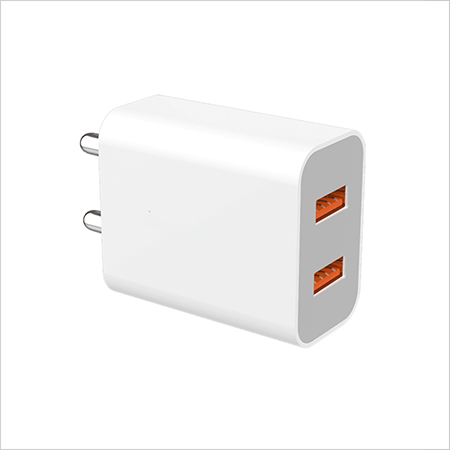
The most common type of charger is plugged directly into an electrical outlet to provide a stable power supply. They support both fast and standard charging and are ideal for home/office usage.
2. Car Chargers
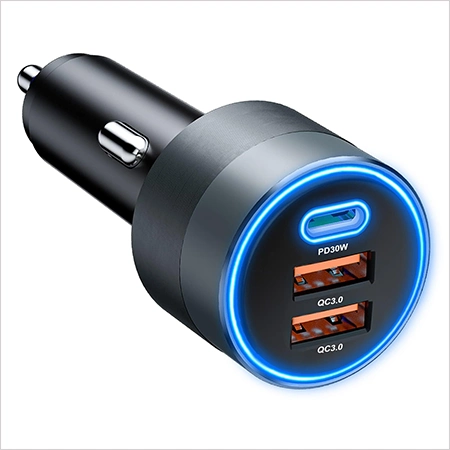
Car chargers are meant to be used inside the vehicle, and they take power from the car’s electrical outlet. They are compact, travel-friendly, and based on the brand/voltage you are using, they can provide fast charging as well.
3. Power Banks (Solar and High-Wattage)
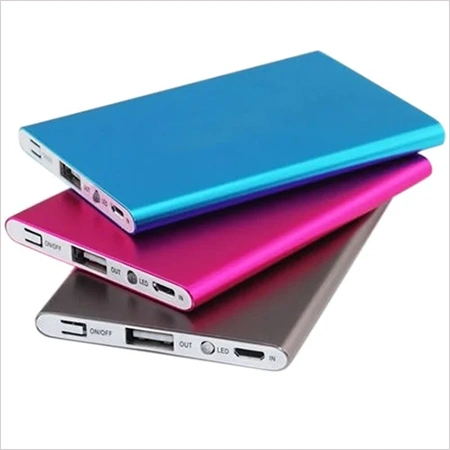
Power banks have become very popular these days. They are portable types of chargers that store energy and allow you to charge devices without a direct power source. They come in different variations, like solar-powered (can be charged with sunlight) or high-wattage (providing fast charging and can even charge other devices like a laptop).
ALSO READ: PC Screen Lines: Causes, Fixes & When You Need Professional Repair
Types of Chargers Based on Charging Technology
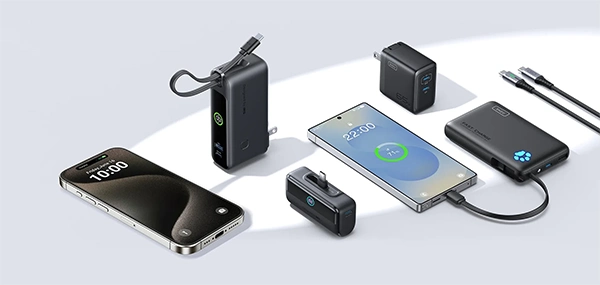
The types of chargers based on charging technology refer to how power is delivered to a device, affecting speed and efficiency.
1. Standard Charging
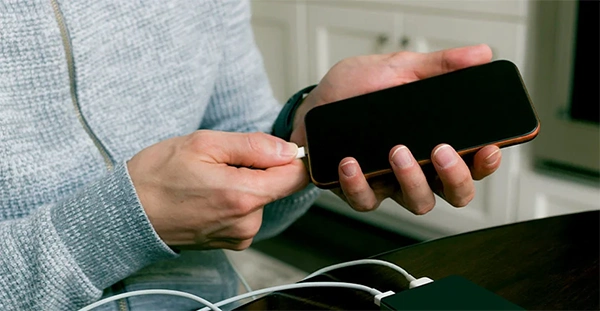
Standard charging is the most consistent but has a slower power output. It’s present in all types of chargers and is used for routine charging, where speed is not a priority, and you only want your phone to be charged.
Key characteristics include:
- Safe and stable charging
- Best for overnight use
- Lower power output
If speed is not a priority for you, this is the best option for you to charge your device.
2. Fast Charging
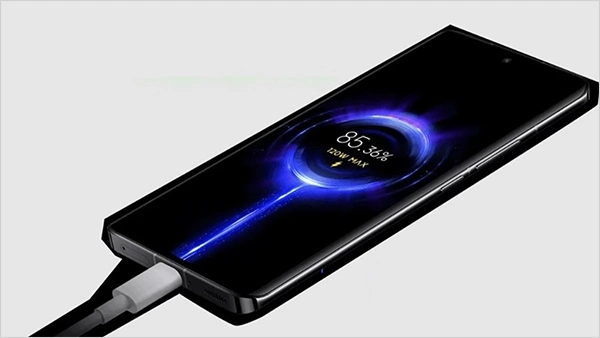
Fast charging is the latest trend, designed to reduce charging time significantly. It delivers high power to compatible devices and decreases the charging time.
Key characteristics include:
- Uses technologies like USB Power Delivery (PD) and Quick Charge
- A compatible phone and cable are required
- Provides higher wattage for fast charging
This works faster than the standard methods, allowing the device to be ready to use in just 10-15 minutes.
3. Wireless Charging
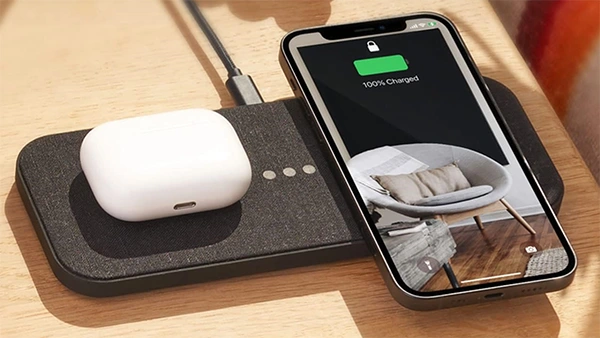
Wireless charging has been proven to be a revolution. Now you don’t have to carry a cable everywhere you go, these types of chargers use electromagnetic induction, which can charge your phone directly through the pad.
Key characteristics include:
- It is based on the QI charging standard
- Includes MagSafe for Apple devices
- A compatible charging pad and device are required
It’s slower than wired charging, but it does work fine and eliminates the use of a cable to charge your phone.
ALSO READ: Nintendo Joy-Con Repair: Complete Guide to Fixing Joy-Con Drift
Conclusion
If you know about charger types, such as USB-style external power supply type chargers and cable types, as well as new technologies for charging, then you will make better decisions regarding charging your device. Examples include USB Type-C and fast charging technology, both of which enable users to choose an efficient and safe way to charge their devices while also giving them the ability to enhance their device’s overall lifespan.
FAQs
Q. What are the different types of chargers?
Q. How do I know which charger is compatible with my device?
Ans: Start by checking your phone’s charging port and supported wattage and reviewing the manufacturer’s specifications.
Q. What is the difference between USB A and USB C chargers?
Ans: USB-A is an older, rectangular connector with slower charging speeds, while USB-C is a modern, reversible connector that supports faster charging and higher power delivery.
Q. Is fast charging safe for smartphones?
Ans: Yes, fast charging is safe for smartphones, if you are using certified and compatible chargers. However, using low-quality or incompatible fast chargers can negatively impact battery health over time.